The best wood for braai Australia has to offer
Back home you probably never thought twice about braai wood. You grabbed a bag of kameeldoring (camel thorn, a dense South African hardwood that burns down to a long-lasting bed of coals) from the garage or the farm stall down the road, and that was that. In Australia the question gets harder, because the wood you grew up with is not sitting on a shelf at Bunnings, and half the guides written for this country are actually talking about wood heaters, not an open fire under a grid. So here is a plain answer: the best wood for braai Australia has to offer is a dense, well-seasoned native hardwood, ironbark or red gum for preference, bought from a supplier who can tell you where it came from.
This guide sticks to two things that actually change how your braai cooks: how dense the wood is, which decides heat and burn time, and how dry it is, which decides smoke and how easily it lights. Get both right and almost any hardwood sold as firewood in Australia will do the job.
Table of Contents
- The two things that actually matter when choosing braai wood
- The best wood for braai Australia has to offer, ranked
- Why you cannot just bring wood from back home
- Green, seasoned or kiln-dried: what to actually buy
- Where to buy braai wood in Australia
- Quick reference: braai wood at a glance
- Before you light it
- Frequently asked questions
The two things that actually matter when choosing braai wood
Density and moisture do almost all the work here, and everything else is preference.
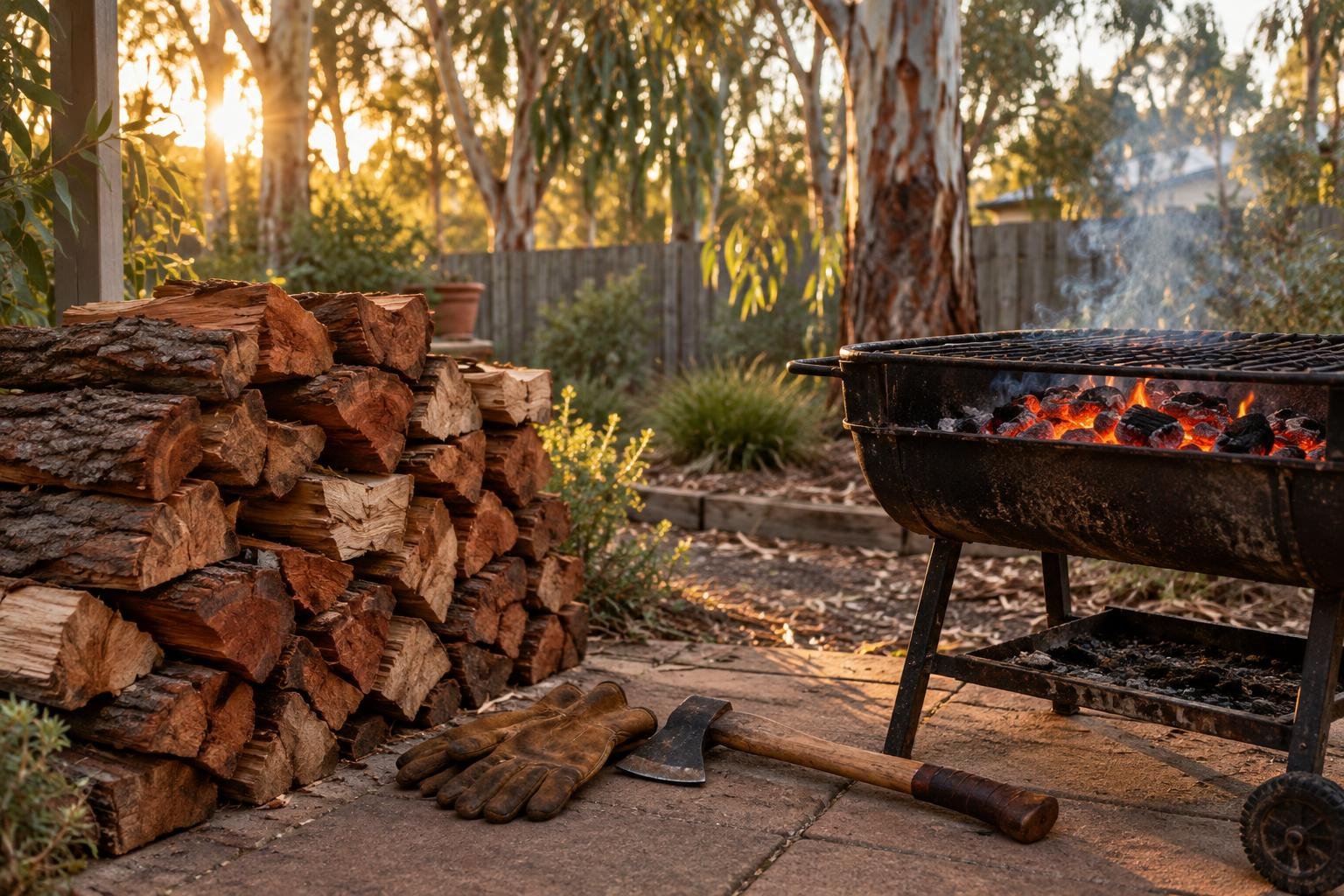
Dense hardwood burns down slowly into a long-lasting bed of coals, which is what you actually cook over once the flames die down. Softer, lighter timber burns fast and hot for a short while, then leaves you feeding the fire every fifteen minutes instead of cooking. For a braai, where you want steady coals under the grid for an hour or more, density wins most arguments.
Moisture matters just as much and gets ignored more. Freshly cut, unseasoned wood is often close to half water by weight, and burning it produces thick, dirty smoke that will taint your meat before it flavours it. Victoria’s EPA recommends testing firewood with a moisture meter and looking for 20 per cent moisture or less before you burn it, and that guidance holds just as well for an open braai as it does for an indoor wood heater. If a supplier cannot tell you how long a log has been seasoned, or it feels heavy and smells sappy when you split it, put it back.
The best wood for braai Australia has to offer, ranked
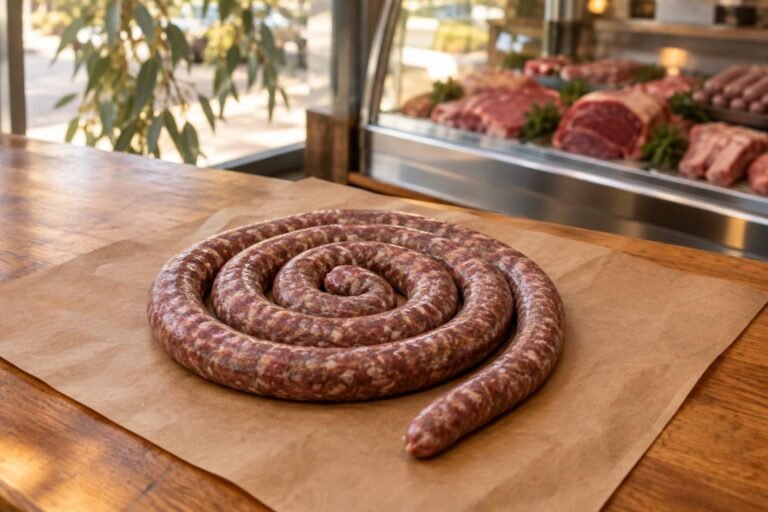
Ironbark. The densest of the common Australian firewoods and the one most braai regulars in Australia end up buying. It takes a bit longer to catch than softer wood, so light it with kindling or a faster-burning offcut rather than expecting a match to do the job, but once it is going, ironbark holds a hot, steady bed of coals longer than almost anything else sold as firewood here. If you are cooking a big cut, boerewors (a South African farmhouse sausage, coiled and grilled whole) or a slow leg of lamb, ironbark buys you the time.
Red gum. River red gum is the wood most Australian firewood yards sell as their default, and it earns that spot. It lights more readily than ironbark, still burns hot and long, and leaves a clean bed of coals with less fuss. If you want one wood to keep in the shed and not think too hard about, this is it.
Mallee root. Sold in smaller, dense chunks rather than split logs, mallee root burns extremely hot and clean, and produces very little smoke once it is going. It is popular with people smoking meat as well as braaiing it, because the smoke it does produce is mild rather than acrid. Harder to find outside South Australia and parts of Victoria, but worth asking for.
Mulga. A dense inland hardwood with a distinctive sweet smell when it burns, mulga is common in parts of Queensland and New South Wales and burns similarly to ironbark. Good wood if a local supplier has it and you want a change from the usual gum and ironbark rotation.
Wattle. Softer and faster-burning than the woods above, wattle is worth keeping around for kindling and getting a fire started quickly rather than as your main fuel. It will not hold coals the way ironbark or red gum does.
Why you cannot just bring wood from back home
If you are used to kameeldoring or sekelbos (sicklebush, a lighter South African wood that catches quickly and burns hot), the honest answer is that you will not find either one growing in Australia, and you should not try to bring wood in from overseas or even across state lines. Australia’s Department of Agriculture, Fisheries and Forestry treats untreated firewood as a genuine biosecurity risk, since it can carry live borers and bark beetles that established local timber industries have no defence against, and its domestic travel guidance is clear that firewood should be sourced locally rather than carried between regions. It is not bureaucracy for its own sake. It is the same reason you cannot bring biltong (dried, spiced meat) through customs either: pests and disease do not care that the wood tastes like home.
The good news is that ironbark and red gum do the job kameeldoring did back home just as well, even if the smell taking you back to a Highveld evening takes a season or two to build.
Green, seasoned or kiln-dried: what to actually buy
Green wood, cut within the last few months, is cheap or free if someone is clearing a block, but it will smoke badly and cook poorly until it has dried out for the better part of a year. Seasoned wood has been left to dry for six months to a year and is what most firewood suppliers sell as their standard product. Kiln-dried wood has been dried artificially down to a low, consistent moisture content, usually well under 20 per cent, and lights fastest and burns cleanest of the three, at a price premium to match. For everyday braaiing, well-seasoned ironbark or red gum from a firewood yard is the sensible middle ground. Save kiln-dried for when you are cooking for guests and cannot afford a smoky start.
Where to buy braai wood in Australia
Bunnings and larger hardware stores sell bagged kiln-dried and seasoned firewood in most states, which is the easiest option if you just need a bag for the weekend. For anything more than the occasional braai, a local firewood supplier working a delivery run is usually cheaper by the kilogram and will often let you choose ironbark, red gum or a mix. Look for suppliers who can tell you where the wood was sourced from, ideally sawmill residue, approved forest thinning or salvaged timber rather than wood cut illegally from state forest, since the Firewood Association of Australia’s code of practice exists precisely because unregulated cutting is a real problem in parts of the country. A supplier who cannot answer a simple question about where the wood came from is one to avoid.
Quick reference: braai wood at a glance
| Wood | Heat and burn time | Ease of lighting | Smoke | Where to find it |
|---|---|---|---|---|
| Ironbark | Very high, longest coal bed | Slower to catch | Low once seasoned | Widely sold, most states |
| Red gum | High, long coal bed | Lights readily | Low once seasoned | Widely sold, most states |
| Mallee root | Very high, clean burn | Moderate | Very low | SA, parts of Vic, harder to find |
| Mulga | High, similar to ironbark | Slower to catch | Low once seasoned | Qld and NSW inland suppliers |
| Wattle | Low to moderate, fast burn | Very easy | Higher | Common, best as kindling |
Before you light it
Wherever you land on wood, check that you are actually allowed to light it that day. Solid fuel, including every wood on this list, is banned outright during a total fire ban regardless of how carefully you manage it, so it is worth a minute reading our guide to braai fire rules in Australia, state by state before you commit to a wood fire over gas or a kettle-style barbecue. If you are still deciding what to cook the wood on in the first place, our kettle braai vs Weber comparison covers the barbecue side of that decision.
Frequently asked questions
What is the best all-round wood for a braai in Australia? Red gum is the easiest recommendation for most people, since it lights readily, burns hot and long, and is sold almost everywhere in Australia. Ironbark burns even longer once established and is worth the extra effort lighting it for a big, slow cook.
Can I use any type of wood for a braai? You can burn most seasoned hardwood, but softer timbers like wattle or pine burn too fast to hold a steady bed of coals and pine in particular can taint food with resin smoke. Stick to dense native hardwoods such as ironbark, red gum, mallee or mulga for anything you plan to cook over.
Is it legal to bring firewood into Australia or across state borders? No. Untreated firewood is a recognised biosecurity risk because it can carry live pests, and Australia’s biosecurity authorities advise sourcing firewood locally rather than transporting it between regions or bringing it in from overseas.
How do I know if firewood is dry enough to burn cleanly? Look for wood that has been seasoned for at least six months, feels light for its size and sounds hollow when two pieces are knocked together. If you want to be precise, a cheap moisture meter should read 20 per cent or below, in line with the guidance Australian environmental authorities give for wood heaters, which applies just as well to an open braai fire.
Can I braai with wood during a total fire ban? No, not anywhere in Australia. A total fire ban prohibits lighting or maintaining any solid-fuel fire outdoors, wood included, regardless of how the fire is contained. Check your state’s current fire danger rating and any total fire ban before every braai.